


THE PLASTIC SERIES;types of plastics
- Dec 7, 2018
- 3 min read
Plastic is an essential component of many items, including water bottles, combs, and beverage containers. Most people live under the notion that their is only one type of plastic which is not the case.There are seven types of plastics each with their own properties.
The seven types of plastic include:
Polyethylene Terephthalate (PETE or PET)
High-Density Polyethylene (HDPE)
Polyvinyl Chloride (PVC)
Low-Density Polyethylene (LDPE)
Polypropylene (PP)
Polystyrene or Styrofoam (PS)
Miscellaneous plastics (includes: polycarbonate, polylactide, acrylic, acrylonitrile butadiene, styrene, fiberglass, and nylon)
Understanding the different types of plastic can help consumers like you make more informed decisions related to your health and the environment. It’s important to become familiar with an item’s SPI (Society of the Plastics Industry) code, which is also known as a resin identification number and is used to classify the different types of plastic. This information will help you sort plastic materials more effectively for recycling.The SPI Resin Identification Coding System (“SPI Symbols”) is a set of symbols placed on plastic items to identify the resin type that the items were made from. The system was developed in 1988 by The Society of the Plastics Industry (SPI).The presence of an SPI Symbol on a package indicates that the package is manufactured from a certain resin type.

SPI CODE 1
Recycling Number: 1
Abbreviation: PETE or PET
Polymer name: Polyethylene Terephthalate
Properties: Good gas & moisture barrier properties, high heat resistance, clear, hard, tough, fibre for clothing and carpets, microwave transparency and Strapping Solvent resistant.
Uses: soda bottles, water bottles, medicine jars, bean bags, jelly jars, rope, carpet, combs
Recyclable: yes

SPI CODE: 2
Recycling Number: 2
Abbreviation: HDPE
Polymer name: High-Density Polyethylene
Properties: Excellent moisture barrier properties ,excellent chemical resistance, hard to semi-flexible and strong, soft waxy surface, Permeable to gas,HDPE films crinkle to the touch and are stress resistant
Uses: milk jugs, juice containers, grocery bags, trash bags, shampoo bottles, soap bottles, detergent containers, toys and bleach containers
Recyclable: yes

SPI CODE: 3
Recycling Number: 4
Abbreviation: PVC
Polymer name: Polivinyl Chloride
Properties: Excellent transparency, hard, rigid (flexible when plasticised), good chemical resistance, long term stability, good weathering ability, stable electrical properties and low gas permeability
Uses: grocery bags sewage pipes , ducts, window frames, cling films, shoes and some tote bags.
Recyclable: yes

SPI CODE: 4
Recycling Number: 4
Abbreviation: LDPE
Polymer name: Low-Density Polyethylene
Properties: Tough and flexible films, waxy surface, soft (scratches easily), low melting point ,stable electrical properties, good moisture barrier properties.
Uses: cling wrap, sandwich bags, squeezable bottles, frozen food bags, flexible container lids and grocery bags.
Recyclable: yes

SPI CODE: 5
Recycling Number: 5
Abbreviation: PP
Polymer name: Polypropylene
Properties: Excellent chemical resistance, high melting point ,hard, but flexible, waxy surface, strong.
Uses: plastic diapers, margarine tubes, yogurt containers, bottle caps, disposable cups and plates
Recyclable: no
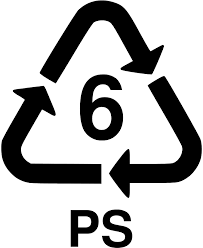
SPI CODE: 6
Recycling Number: 6
Abbreviation: PS
Polymer name: Polystyrene
Properties: Clear to opaque, glassy surface, rigid or foamed, brittle, high clarity, affected by fats and solvents.
Uses: plastic food boxes, packing peanuts disposable coffee cups, plastic cutlery
Recyclable: no

SPI CODE: 7
Recycling Number: 7
Abbreviation: N/A
Polymer name: Miscellaneous plastics
Properties:Have a wide range.
Uses: Plastic CDs and DVDs, baby bottles, large water bottles, eyeglasses, exterior lighting, medical storage containers
Recyclable: no
The use of a plastic material depends on the properties of the plastic. Some are solvent resistant making them useful for carrying liquids while others are hard therefore able to withstand pressure. All the above mentioned plastics are commonly used in households, businesses and for industrial use. By understanding the different types of plastics consumers can make informed decisions on recycling methods to be employed and the same applies during sorting of waste so as to arrange different types accordingly. The next time you visit a supermarket help beat plastic pollution by buying recyclable plastic products, reduce the amount of plastic products you use and reuse plastic material.
Comments