


The Female Kingdom of Bumblebees


With a net worth of over $800 million (KSh 103.2 billion). A 35-time Grammy award winner, which is the most in history. A 30-time VMAs (Video Music Awards) winner tying her with Taylor Swift for most in history. 25 soul train music awards, 32 BET awards and many more. She is, to many people a queen. But in nature, there is really one QUEEN B. And that is the bumblebee.
I think a fuzzy bodied, deep buzzing, clumsy flying insect took a little too literally Beyoncé’s single “Run the World (Girls)”.
A bumblebee colony is a society built, maintained, and directed by queens and worker bees, all female. From the moment a queen emerges alone in spring to the final days of the colony in late autumn, it is female effort that drives every stage of survival.
The Queen
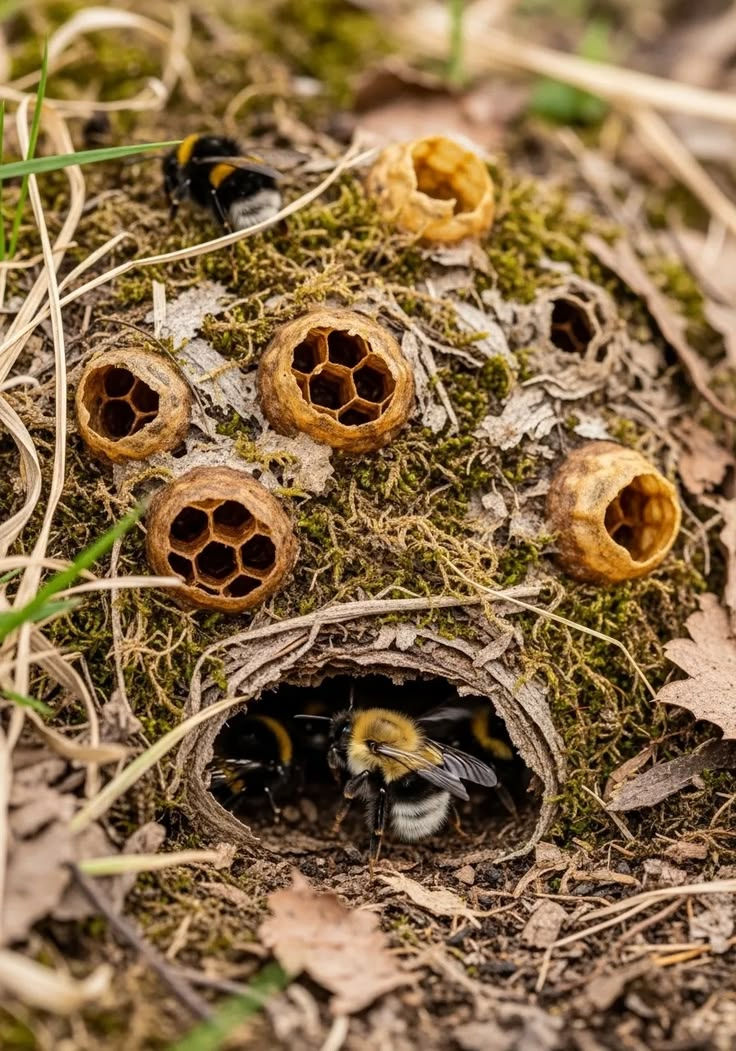
Every colony begins with a single survivor.
When the cold arrives, most of us do not make it. The nest falls quiet, food disappears, and time itself seems to slow. But a few of us survive. We bury ourselves in soil, under leaves, or inside forgotten crevices, waiting through the long stillness of winter.
We do not move much. We do not build. We simply endure.
Then spring arrives.
I emerge alone.
There is no map for what comes next, only instinct pulling me forward. I must find a place to begin. Maybe a hole in the ground, an abandoned burrow, a sheltered patch of grass. Somewhere safe enough to hold what I am about to create.
Once I find it, I start working. I collect nectar and pollen, not just to survive, but to fuel what will become everything. I shape wax with my own body. I build small cells. I lay my first eggs.
And for a long-time gathering food, building the nest and keeping the eggs warm is all on me. There are no workers yet. No support. Only effort, repeated again and again, until the first daughters emerge.
The Workers
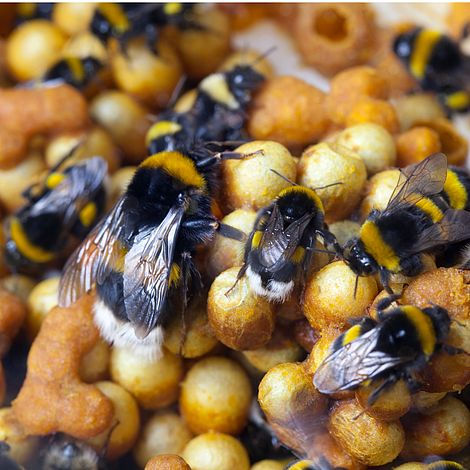
Then, everything changes.
The first workers hatch, and suddenly the silence breaks. Wings fill the nest. Movement multiplies. What was once a solitary struggle becomes a living system.
I remain here, still laying eggs, still guiding the colony’s growth.
All workers are female, and they become the structure that holds everything together. Each one takes on a role shaped by age and need. Some gather nectar and pollen, feed the growing larvae, repair damage, guard the entrance or clean and maintain the nest.
The colony becomes a rhythm — coordinated, responsive, alive.
Younger workers stay close to the nest. Older workers venture outward, facing weather, distance, and danger to bring back what we need.
As per nature's course most workers will never have children of their own.
They work not for themselves, but for the colony, for the unborn queens.
Males
Later in the season, the colony shifts again.
I begin to lay different eggs — not workers, but future queens and males.
The males are simple in purpose. They do not gather food. They do not build. They do not care for the nest. They exist for one brief role: to find and mate with new queens from other colonies.
When their task is complete, their story ends quickly. They do not return. They do not take part in what comes after. Their lives are short, singular, and final.
A brief spark.
The Fragile End of a Colony
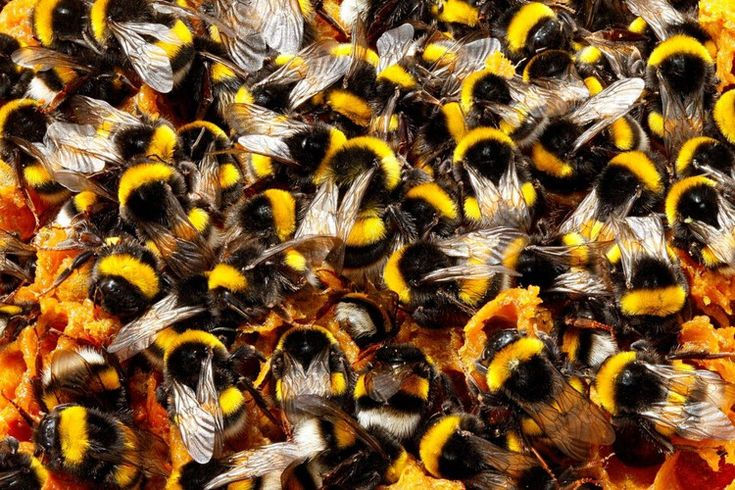
Then autumn arrives.
We feel it before it fully comes — the shortening days, the fading flowers, the thinning food. The world begins to close.
The colony slows.
The old rhythms weaken. The workers age. My strength fades. And one by one, the structure we built begins to dissolve.
Until only the future remains.
The new queens, my daughters, are already mated. They leave the nest and dig into the earth, hiding away where winter cannot reach them.
The rest of us do not survive the cold.
The colony ends but it does not truly disappear. For power doesn’t belong to a king; it doesn’t really belong to a crowd. It belongs almost entirely to the daughters who will rise.
Continuing on the cycle of life.
Fun Facts About Bumblebees

Their wings beat over 100 times per second: That deep buzzing sound you hear is actually created by their incredibly fast wing movement.
They “buzz” flowers to shake out pollen: Bumblebees use a technique called buzz pollination, vibrating their bodies so strongly that pollen explodes out of flowers like tiny yellow dust clouds.
Bumblebees can fly in cold weather: Their fuzzy bodies help trap heat, allowing them to stay active even on chilly mornings when many other insects cannot fly.


Comments